Charting Intersections Between Transaction Security Protocols and Probability Distributions in Certified Digital Wheel Platforms
Amir Keller · Oct 22, 2026
Charting Intersections Between Transaction Security Protocols and Probability Distributions in Certified Digital Wheel Platforms
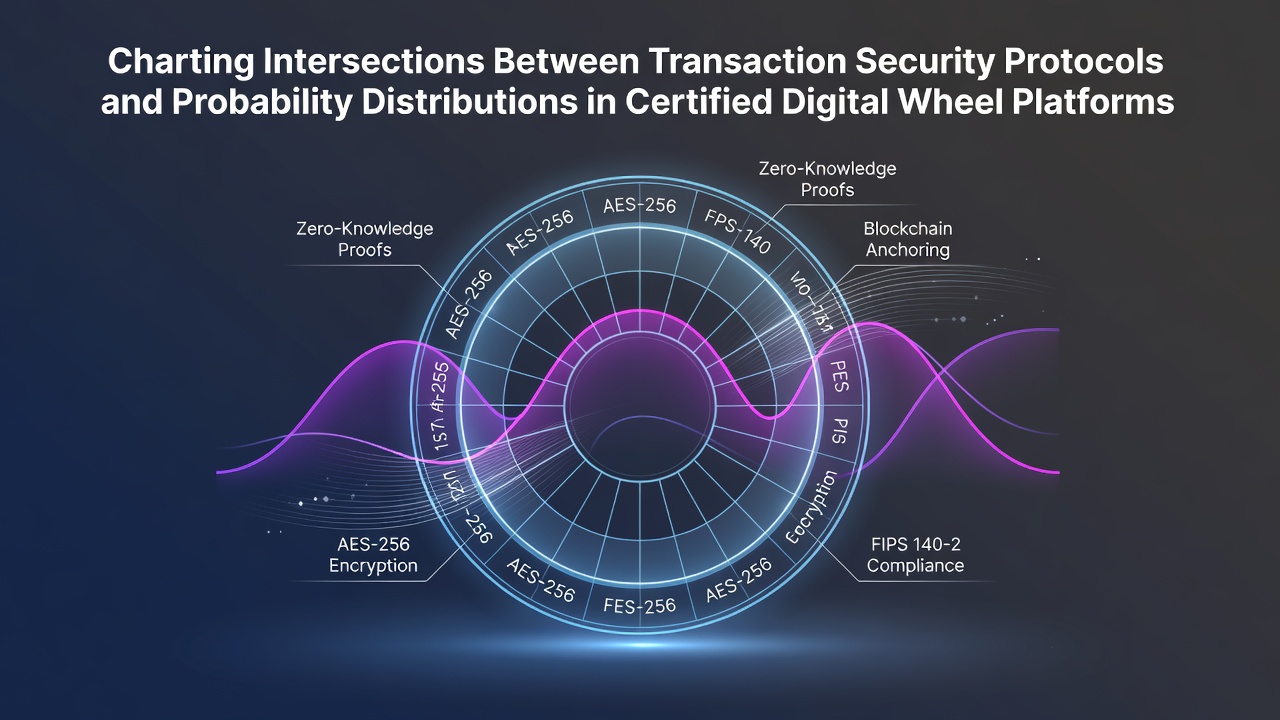
Certified digital wheel platforms rely on transaction security protocols that protect data flows during player interactions while probability distributions underpin the fairness of each outcome generated by random number generators. These two elements intersect at multiple points where security measures must preserve the statistical properties of uniform or weighted distributions without introducing bias or predictability.
Transaction Security Protocols in Certified Platforms
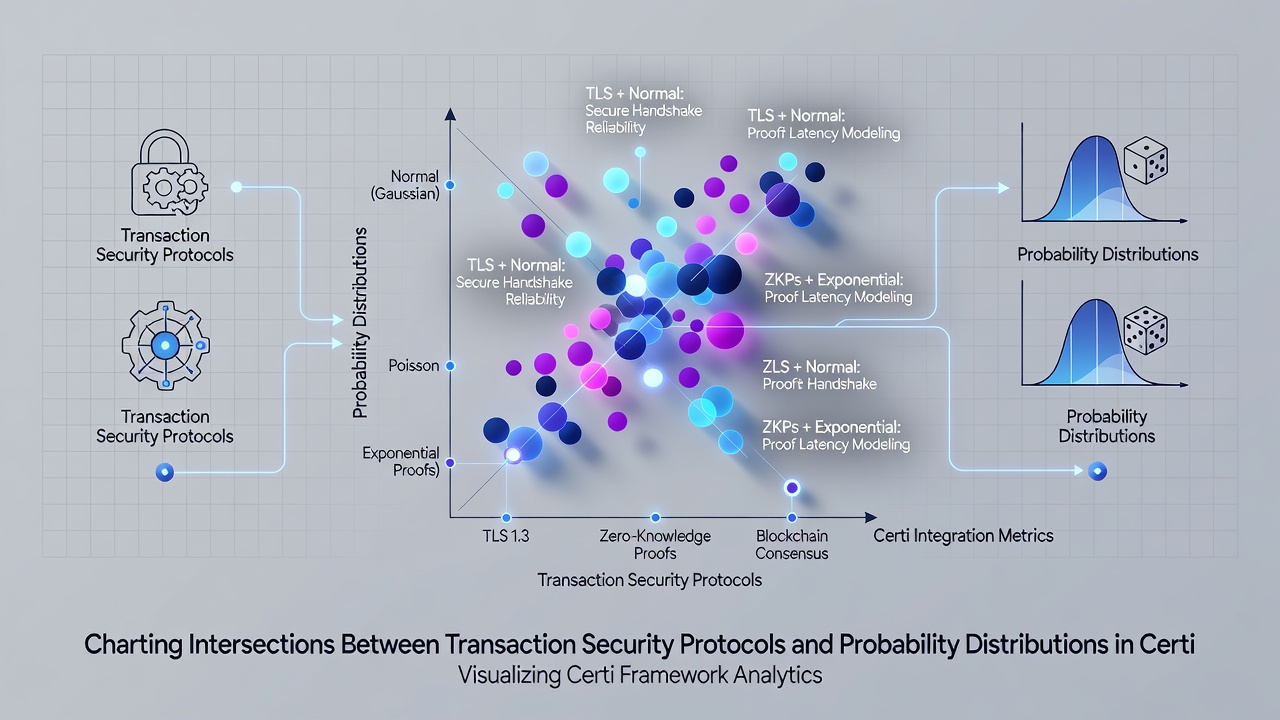
Security protocols in these environments typically combine symmetric and asymmetric encryption methods along with secure key exchange mechanisms such as TLS 1.3, and they operate continuously to safeguard transaction details from interception or alteration. Certified systems also incorporate tokenization for payment data and multi-factor authentication sequences that verify user identity before any bet placement occurs. Regulators require these layers to function without interfering with the underlying random generation processes, which means encryption overhead must remain minimal enough to avoid latency that could affect real-time wheel spins.
Probability Distributions in RNG Systems
Digital wheel platforms employ probability distributions that model outcomes across a fixed set of sectors, and uniform distributions dominate standard roulette variants while certain variants introduce weighted distributions to reflect house edge calculations. Certification bodies test these distributions through millions of simulated spins to confirm adherence to expected frequencies, and statistical tools such as chi-square tests along with Kolmogorov-Smirnov methods verify that observed results align with theoretical models. Data from regulatory oversight indicates that deviations beyond established thresholds trigger immediate audits and potential suspension of platform operations.
Intersections Where Security Meets Distribution Integrity
Transaction security protocols intersect with probability distributions when encrypted channels transmit seed values or entropy sources used by RNG algorithms, and any compromise in these channels could theoretically allow manipulation of distribution parameters. Certified platforms therefore isolate RNG modules within hardware security modules that perform cryptographic operations while enforcing strict access controls, and this separation ensures that transaction authentication processes cannot alter the randomness feeding into wheel outcomes. Observers note that side-channel attacks represent a persistent concern because timing or power analysis might reveal patterns if security implementations fail to mask statistical behaviors adequately.
Researchers have examined how blockchain-based transaction ledgers can record each spin result alongside its corresponding transaction hash, which creates an immutable audit trail that simultaneously validates both payment integrity and distribution compliance. Such approaches gain traction because they allow independent verification without exposing sensitive player data, and they integrate with existing certification frameworks that demand reproducible test results across multiple jurisdictions.
Certification Requirements Across Jurisdictions
Certification processes demand that platforms demonstrate both robust security postures and statistically sound probability models before receiving operational approval, and testing laboratories conduct penetration assessments alongside extensive RNG evaluations. The Nevada Gaming Control Board maintains detailed technical standards that address these dual requirements, while the Alcohol and Gaming Commission of Ontario applies similar criteria focused on transaction auditability and distribution fairness in its regulated market. Platforms seeking multi-jurisdictional certification must satisfy the strictest overlapping conditions, which often leads to unified architectures that embed security checks directly into RNG pipelines.
Developments Anticipated by October 2026
Industry reports project expanded adoption of quantum-resistant cryptographic algorithms in gaming platforms by October 2026, and these upgrades aim to future-proof transaction security against emerging computational threats while maintaining the integrity of probability distributions. Regulatory updates expected during that period will likely emphasize continuous monitoring of live distribution metrics through secure telemetry channels, and such measures could reduce the window between anomaly detection and corrective action. Academic studies on entropy harvesting from secure transaction environments continue to inform these standards, providing evidence that properly isolated security layers enhance rather than compromise statistical randomness.
Conclusion
The intersections between transaction security protocols and probability distributions in certified digital wheel platforms form a tightly coupled system where each element reinforces the other to deliver verifiable fairness and data protection. Ongoing certification efforts across different regulatory landscapes ensure that platforms adapt to new threats without sacrificing the mathematical foundations that govern wheel outcomes, and continued research supports refinements that keep these systems aligned with technological progress.