Payment Protocols and RNG Audits Converge in Mobile Roulette Variant Testing for Cross-Border Operators
Theo Baumann · Nov 5, 2026
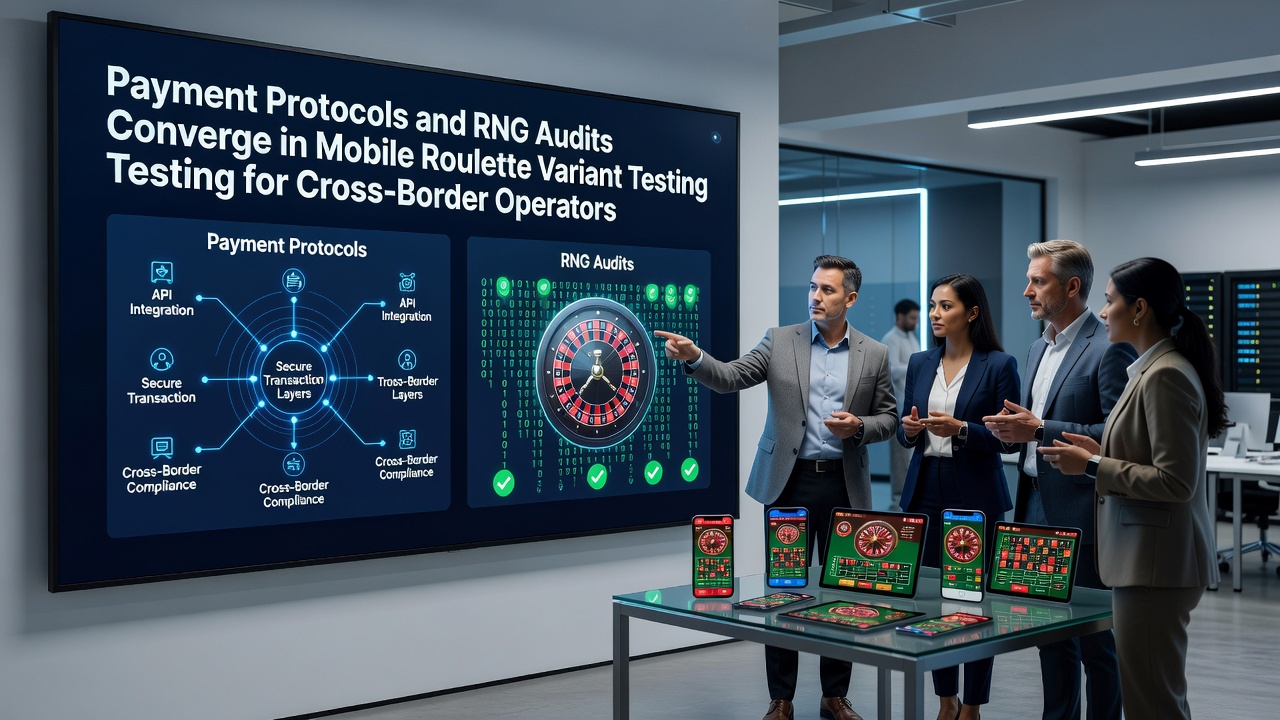
Payment Protocols and RNG Audits Converge in Mobile Roulette Variant Testing for Cross-Border Operators
Cross-border operators managing mobile roulette platforms now integrate payment protocol verification directly into RNG audit workflows, creating a unified testing framework that addresses both transaction integrity and outcome randomness. Regulatory bodies across multiple jurisdictions require this convergence because mobile variants introduce new variables in bet resolution timing and multi-currency handling.
Current Testing Landscape for Mobile Roulette Variants
Operators deploy mobile roulette in formats that include European, American, and French wheel configurations with added features such as auto-spin sequences and live dealer synchronization. Testing protocols examine how these variants interact with payment systems during high-frequency spins, particularly when currency conversion occurs mid-session. Data from regulatory submissions show that transaction latency can affect RNG seed generation if protocols do not align properly, prompting integrated audit procedures.
Researchers at independent laboratories document cases where payment gateway handshakes coincide with random number calls, requiring simultaneous validation. This overlap has led testing teams to run parallel checks that measure both cryptographic randomness and payment token security in the same simulation environment.
Integration of RNG Certification and Payment Security Standards
RNG audits traditionally focus on statistical distribution across millions of spins, yet payment protocols now form part of the same certification cycle. Standards from organizations such as Gaming Laboratories International require that transaction logs remain synchronized with RNG output logs during variant testing. Cross-border operators submit combined reports that demonstrate no correlation between payment processing delays and sequence predictability.
European operators follow directives that mandate encryption standards for both financial data and random outcome generation. Canadian provincial regulators have adopted similar combined evaluation methods, where payment protocol compliance testing occurs alongside RNG certification for mobile platforms. These approaches reduce redundant testing phases while maintaining separation between financial and probabilistic validation teams.
November 2026 Regulatory Milestones
Updates scheduled for November 2026 introduce new requirements for cross-border operators regarding real-time payment confirmation in mobile roulette environments. Regulators expect platforms to demonstrate that RNG audits incorporate payment status checks at the moment of bet placement and settlement. Industry reports indicate that operators have begun preliminary audits to prepare for these changes, focusing on multi-jurisdictional compliance in a single testing suite.

Testing facilities report increased demand for sessions that simulate cross-border payment flows while verifying random outcomes remain independent. One documented procedure involves injecting simulated network delays during payment authorization and measuring whether RNG sequences retain expected distribution patterns. Results from these simulations feed directly into certification documents submitted to multiple authorities.
Technical Approaches in Combined Audits
Engineers structure test environments so that payment protocol modules feed timestamp data into RNG verification scripts. This allows auditors to confirm that no external timing factors influence random number generation. Cross-border operators often maintain separate ledgers for each jurisdiction yet consolidate RNG testing across all markets to achieve consistent certification.
Studies conducted by research institutions reveal that integrated testing reduces overall certification timelines by approximately twenty percent when payment and RNG teams share data streams. Observers note that variant-specific features, such as multi-wheel mobile layouts, require additional validation layers where payment amounts influence display rendering but not outcome calculation.
Examples from Operational Deployments
One operator handling European and North American markets implemented a unified audit trail that logs payment confirmation alongside each RNG call. This system passed combined inspections from two separate regulatory frameworks without requiring separate variant retests. Another case involved an Australian-facing platform where currency conversion protocols were tested in tandem with French roulette variant RNG sequences, yielding certification in a single cycle.
Figures released by testing laboratories show that mobile roulette variants now account for over forty percent of combined payment-RNG audit requests. These numbers reflect the growth in cross-border mobile play and the necessity for synchronized verification methods.
Conclusion
Payment protocols and RNG audits continue to merge within mobile roulette variant testing as cross-border operators adapt to evolving regulatory expectations. The November 2026 milestones will further formalize these integrated processes across jurisdictions. Operators that maintain aligned testing frameworks position themselves to meet certification requirements efficiently while preserving the independence of financial security and randomness verification.